 Civil & Sitework
Northwest Arkansas contractor
Land Clearing & Site Preparation
What stays, what goes and how equipment reaches the work. Define those limits before clearing and ground preparation are priced.
In the field
Access, ground preparation and restoration
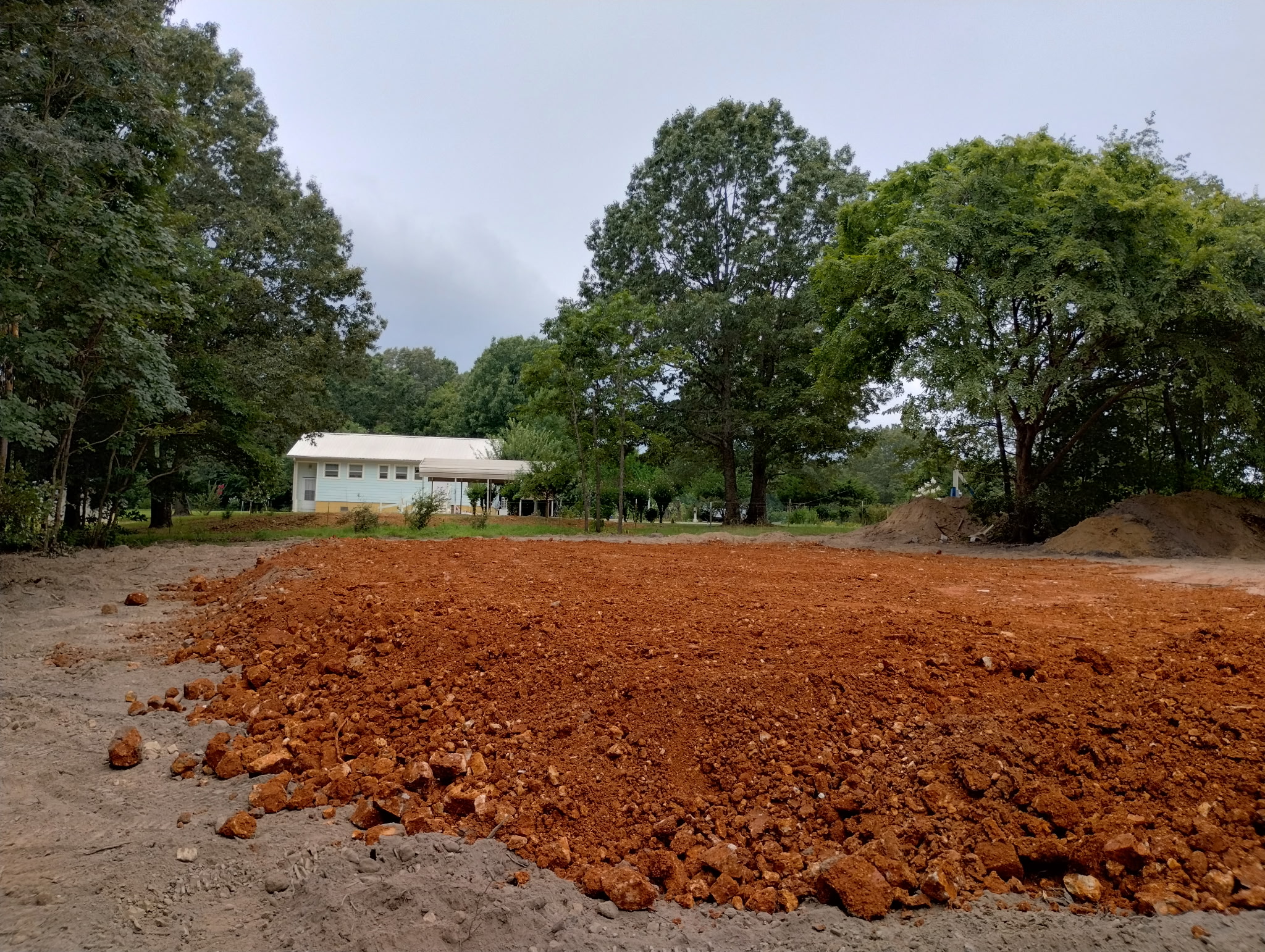
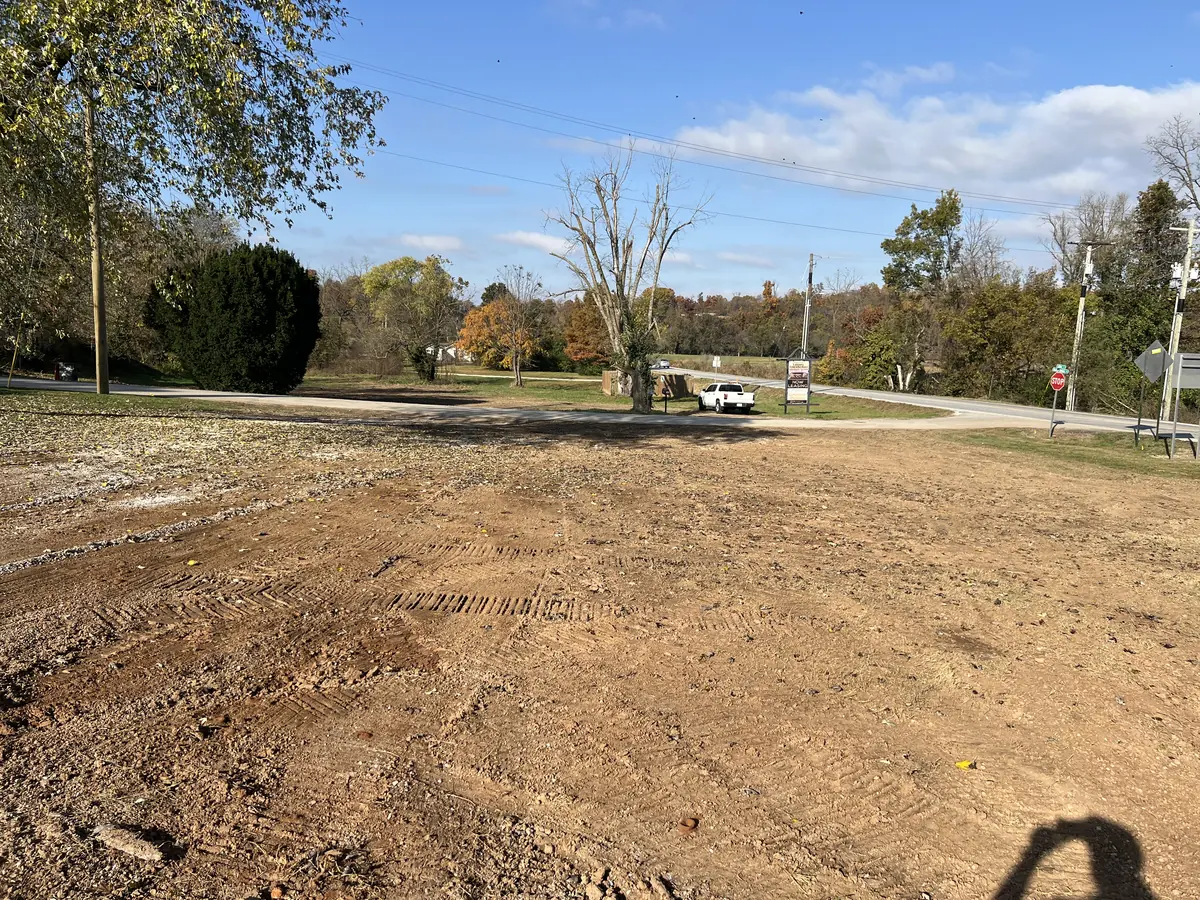
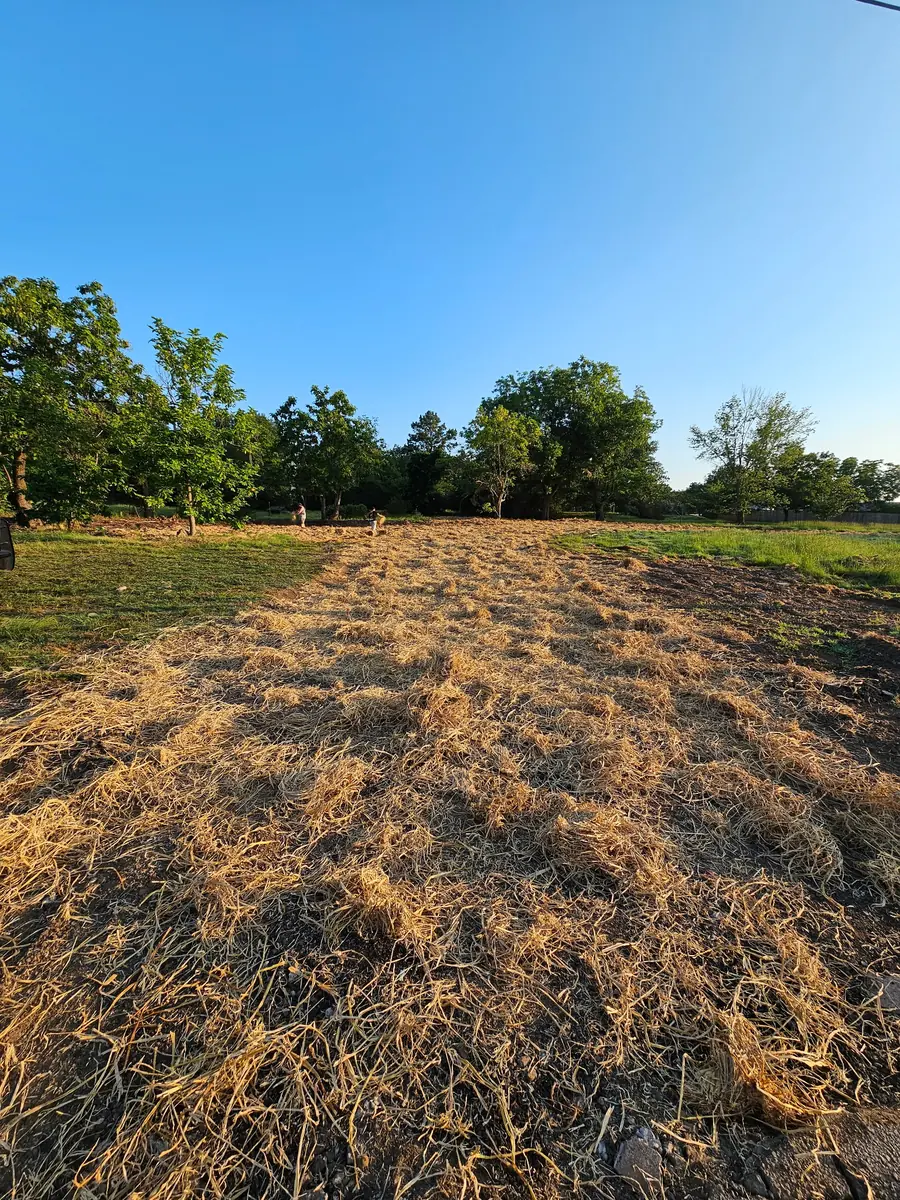
Separate field examples of access, grading and ground cover. These photographs are not a single project sequence.
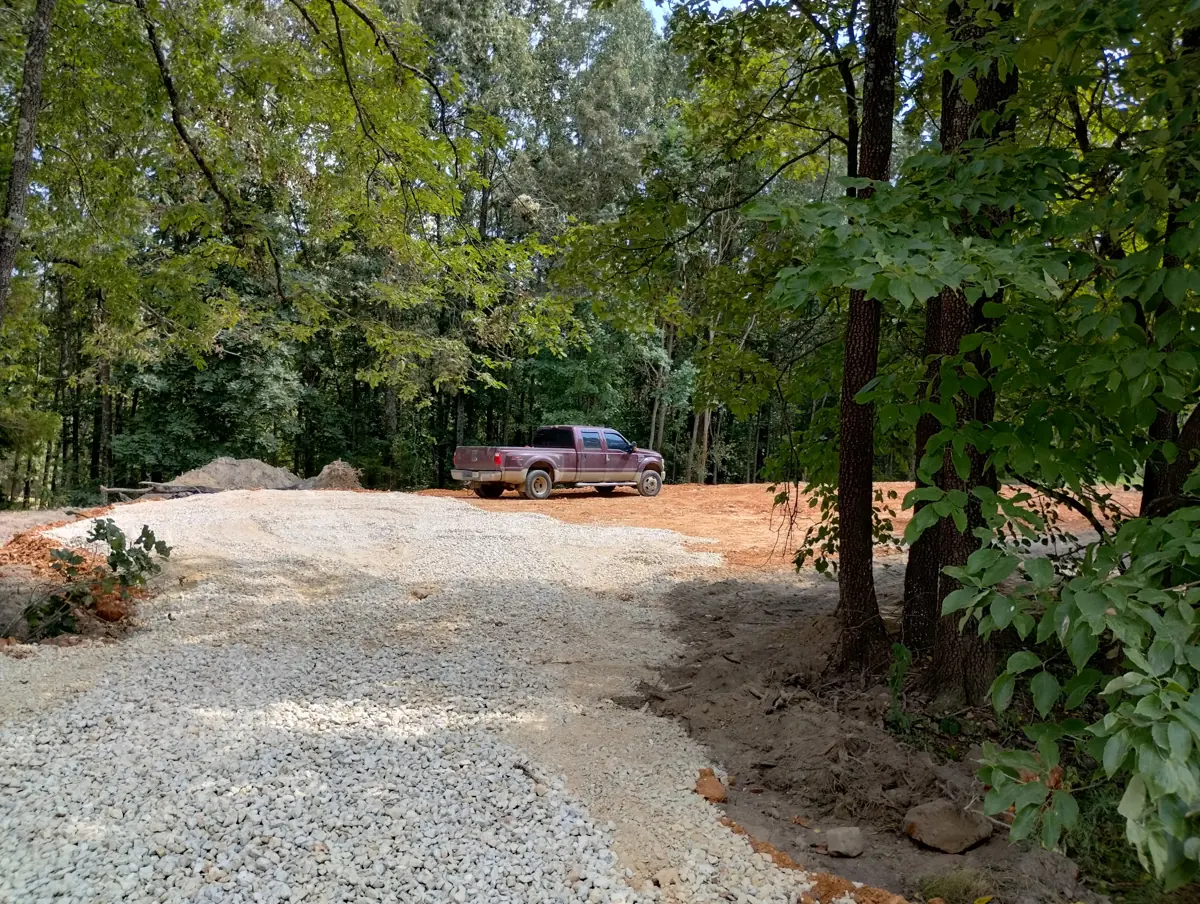
Site access
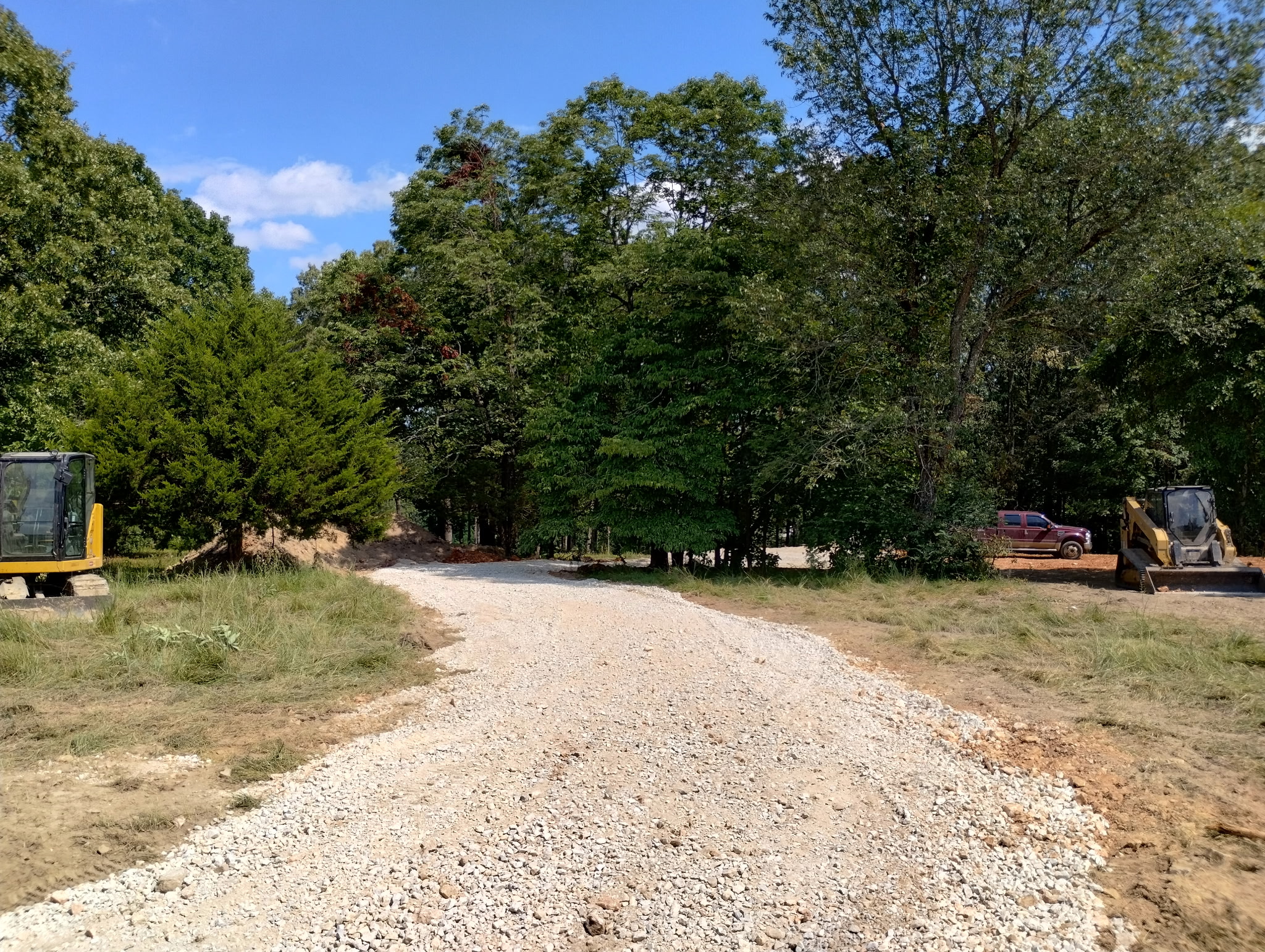
An aggregate access route through a wooded work area.
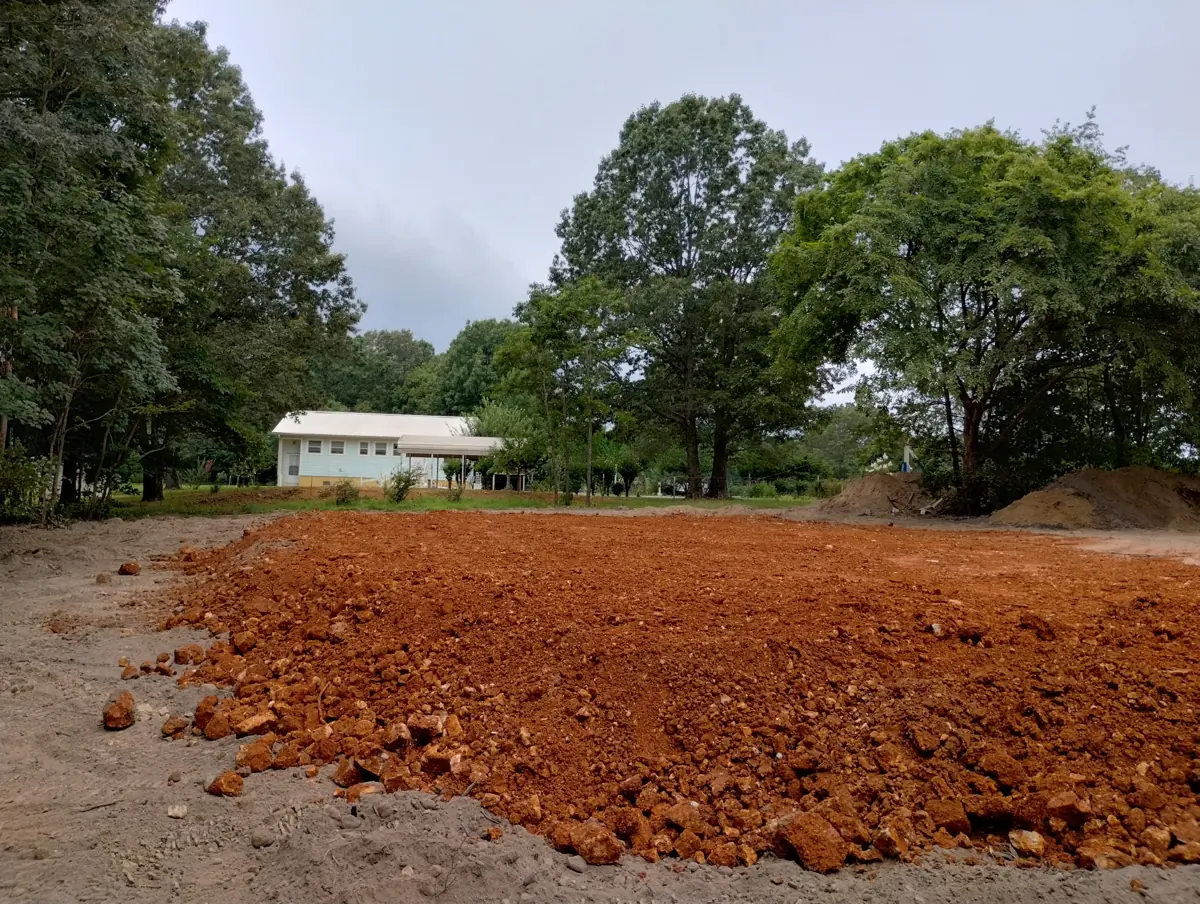
Ground preparation
Exposed soil across a rough grading work area.
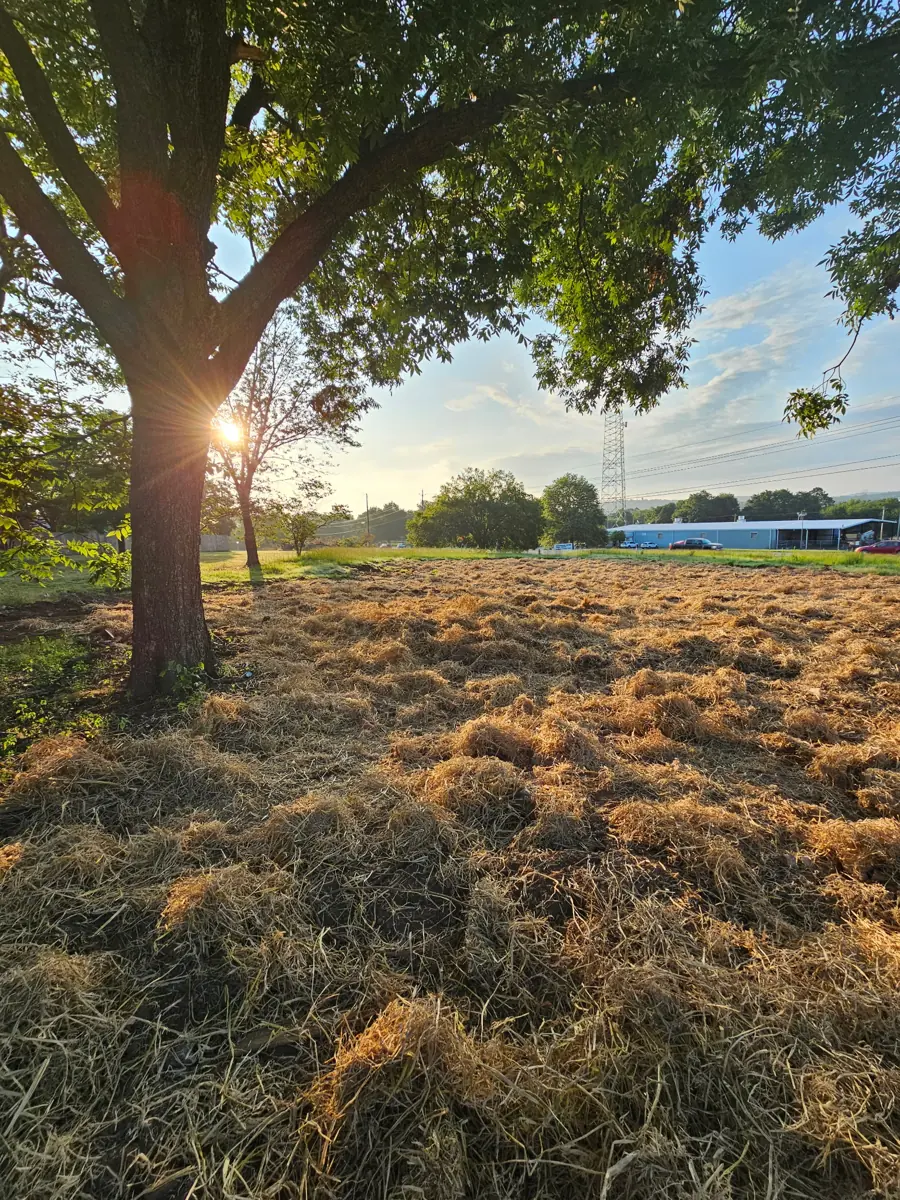
Site restoration
Straw cover across worked ground around retained trees.
Does the work fit?
What needs to be defined?
- Clearing limits and trees or other features to retain
- Site access, staging and the haul route
- Removal, material handling and disposal responsibilities
- Required grades, ground cover and restoration limits
Tree removal, grubbing, stripping, earthwork and erosion-control responsibilities must be expressly included in the proposal. The photographs below are separate field examples, not one clearing project or a before and after sequence.
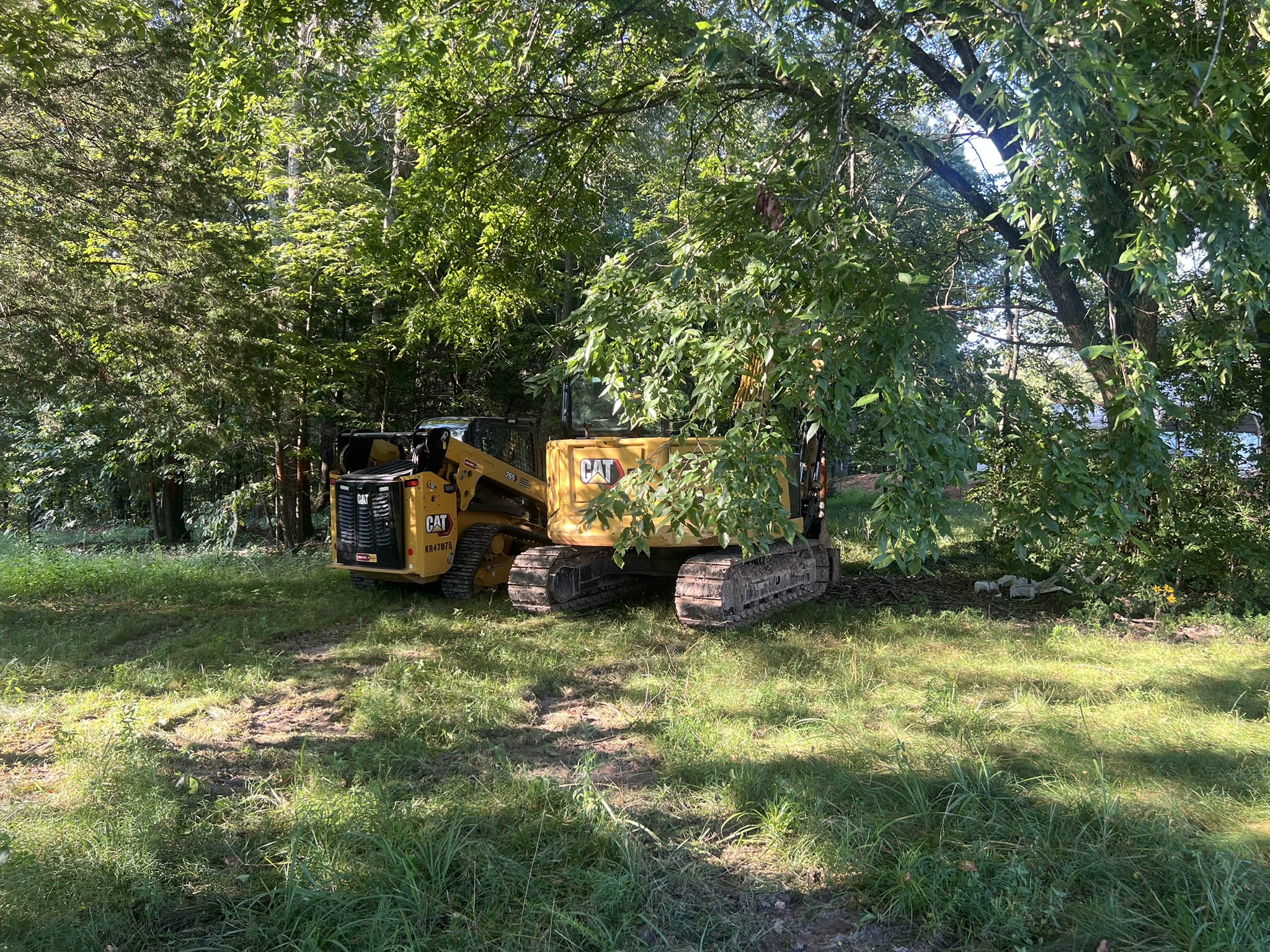
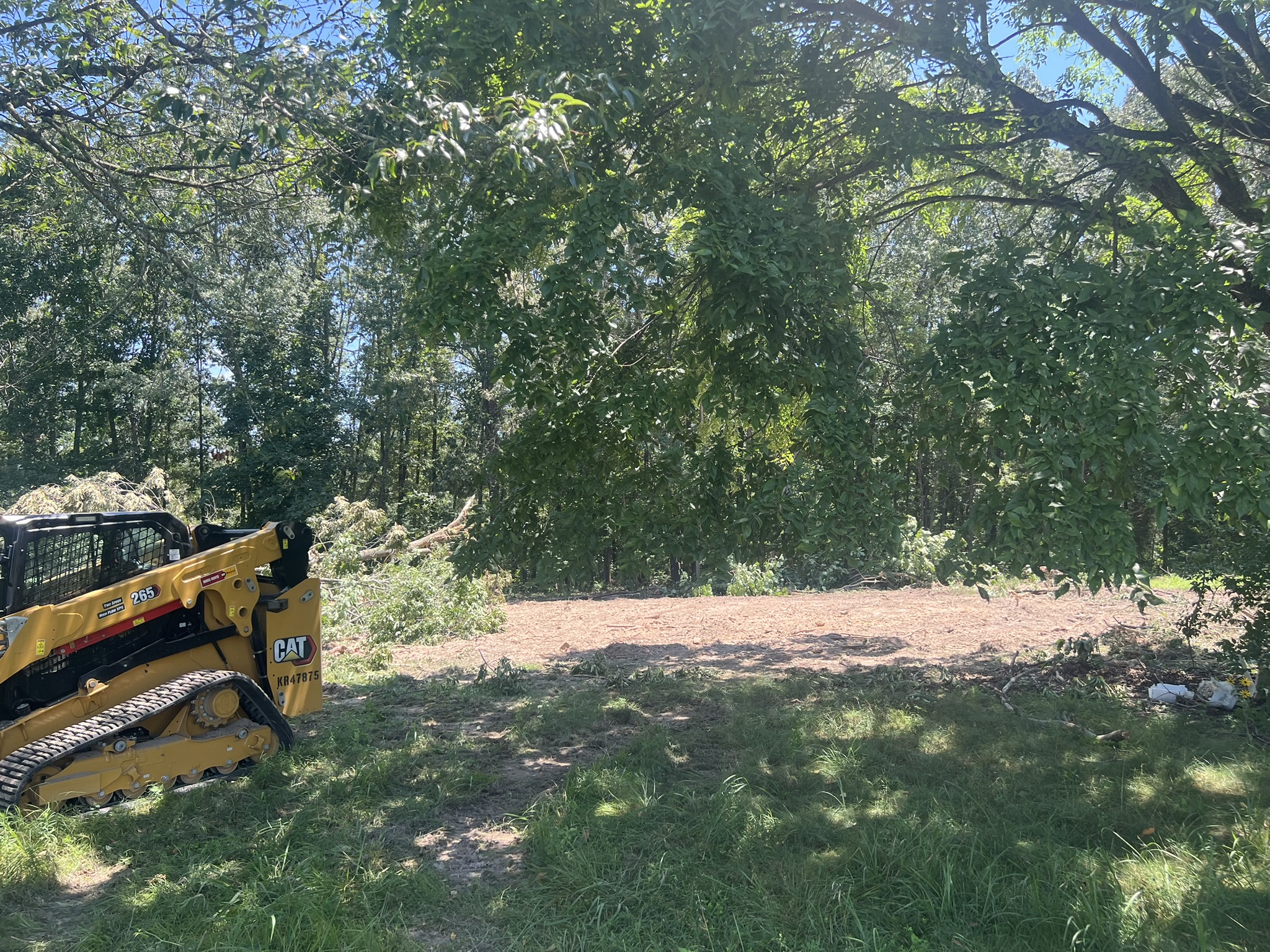
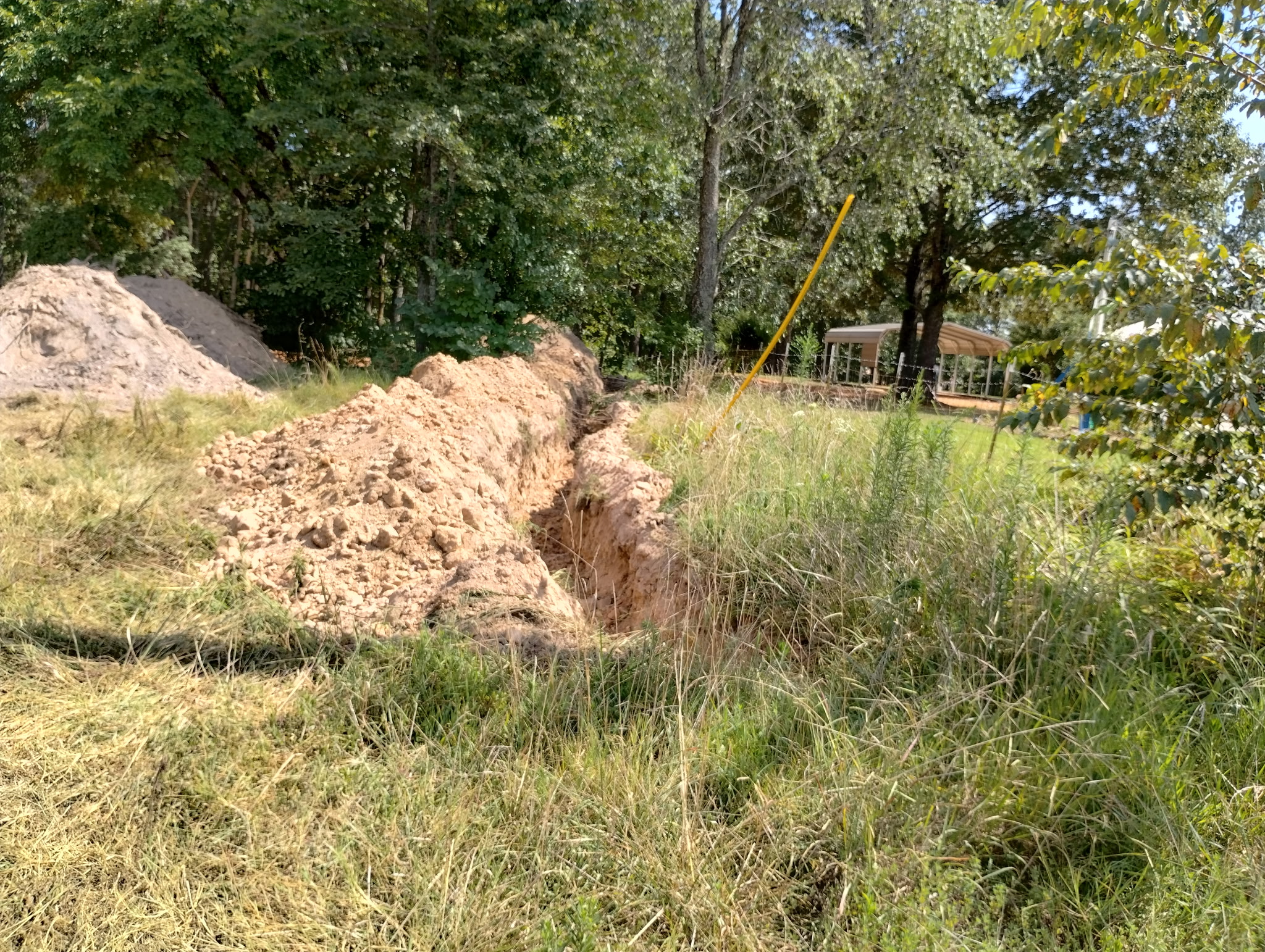
Harrison residential site preparation
Clearing, access, earthwork and final grade on a real site.
At a Harrison residential project, Meyers worked through clearing, access, earthwork, trench excavation, aggregate access and grading. The photographs show those conditions in different areas of the site.
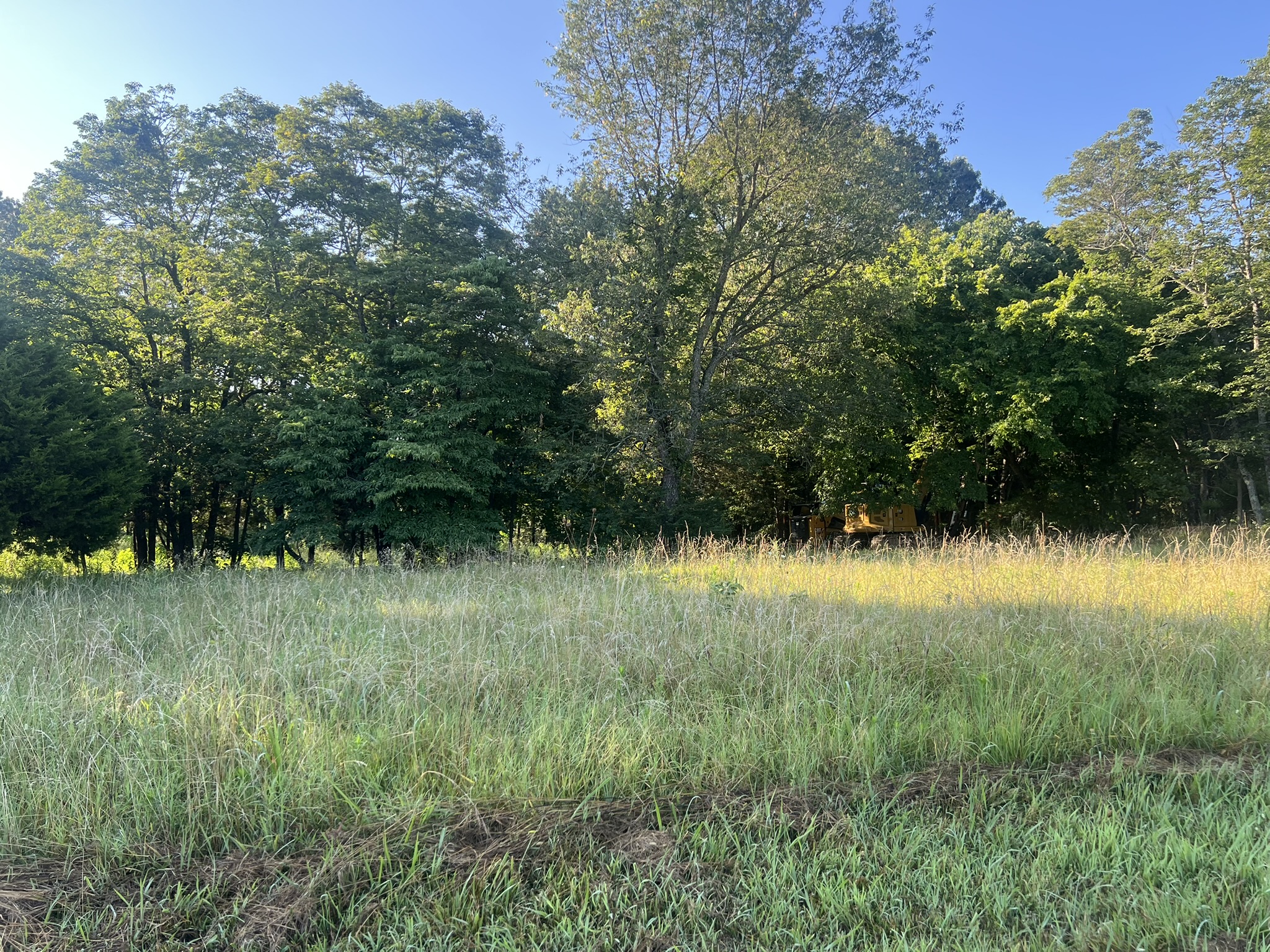
From rough grade to final condition
The finished ground condition belongs in the scope.
Separate Meyers examples show finish grading and stabilization. Project-specific elevations, compaction, testing, topsoil and erosion-control requirements still belong in the proposal.
Start with your site
How much needs clearing, and what stays?
Describe the clearing limits, trees or features to preserve, access and whether the next step is grading, construction or another use.
What could change the scope?
Acreage alone does not define the work. Vegetation, stumps, access, debris handling and the finished condition can change the scope.
Common questions
What owners and contractors ask.
When should a clearing contractor be involved?
Early involvement is most valuable while access, environmental constraints, utility conflicts, haul routes, earthwork balance, and final site requirements can still be coordinated.
Can Meyers leave the site ready for the next contractor?
Yes. The proposal can define clearing limits, removals, earthwork, access, grading, compaction, stabilization, and turnover conditions.
Early planning
Understand likely project scale.
Use the land-clearing calculator for a preliminary dollar planning range where the scope qualifies. Other conditions need review. This is not an official Meyers Construction quote.
Plan the material as part of the scope
Agree how brush, logs, stumps and soil will be handled. Any proposed air-curtain method requires eligible material, applicable authorization and verified operator arrangements.
Construction & demolition material management · Use the planning checklist · Vegetative debris and air-curtain planning
From scope to a project review
Let’s review your site.
With those limits in view, Meyers can review whether photos and plans are sufficient or a site visit would help define the estimate.
Send the address, marked clearing limits if available, photos and what you want the ground ready for. You do not need every answer before contacting us.
Request a Project ReviewPrefer to discuss the unknowns first? Call (479) 249-7383.