Existing conditions
Identify what the drawings show, what the field shows and what still requires survey, testing, inspection or owner direction. Separate observation from assumption.
 Engineers & Architects
Meyers Construction
Meyers Construction gives engineers, architects, consultants, owners, and program teams practical field input on demolition, civil work, renovation, access, sequencing, quantities, logistics, documentation, and final turnover.
Focused capabilities
Use these scopes to identify the work you need reviewed. If your project crosses several scopes, one project review can start the conversation.
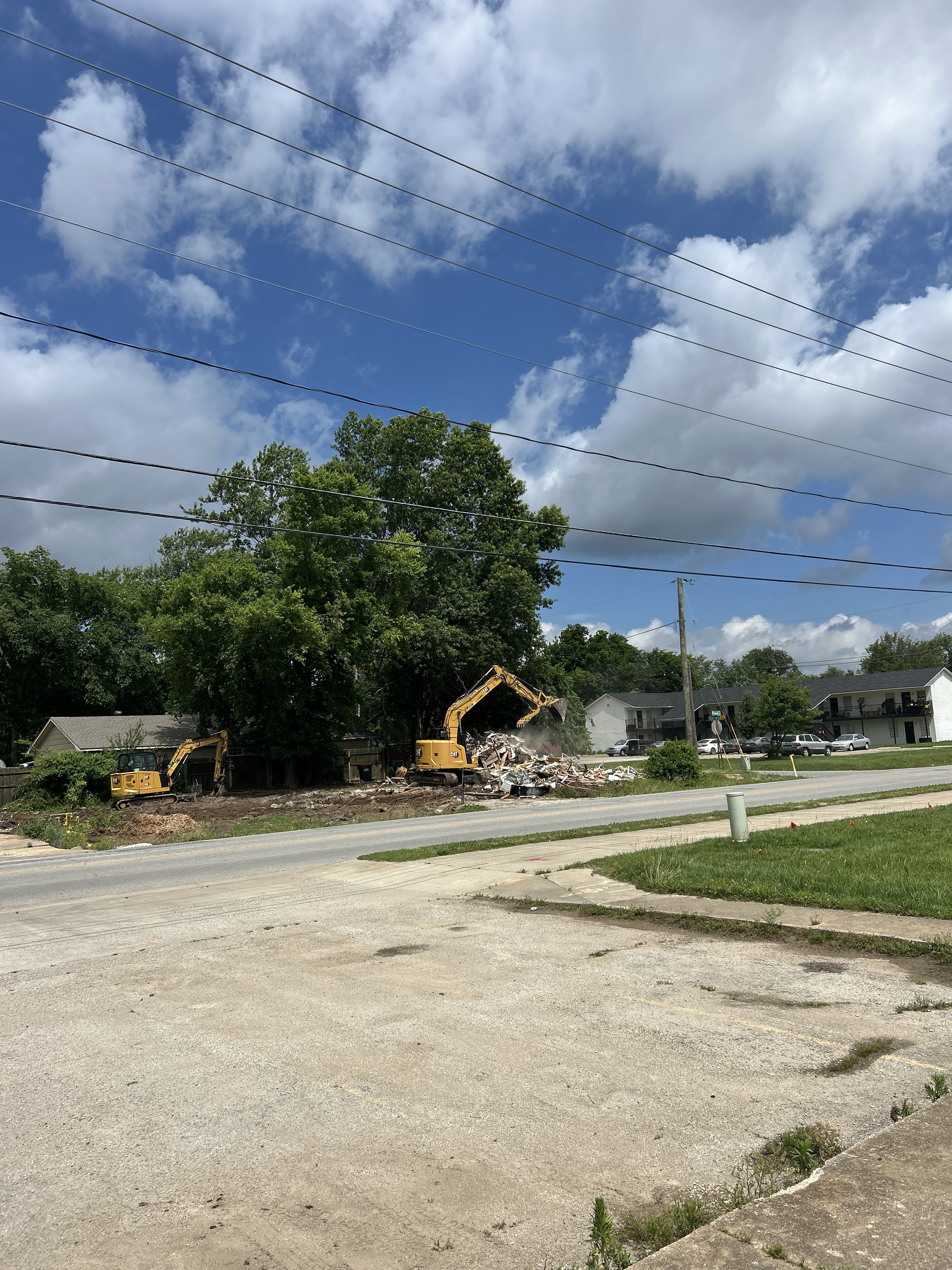
Existing-condition review, access, utilities, environmental coordination, sequencing, hauling, foundations, disposal, and final site requirements.
View capability →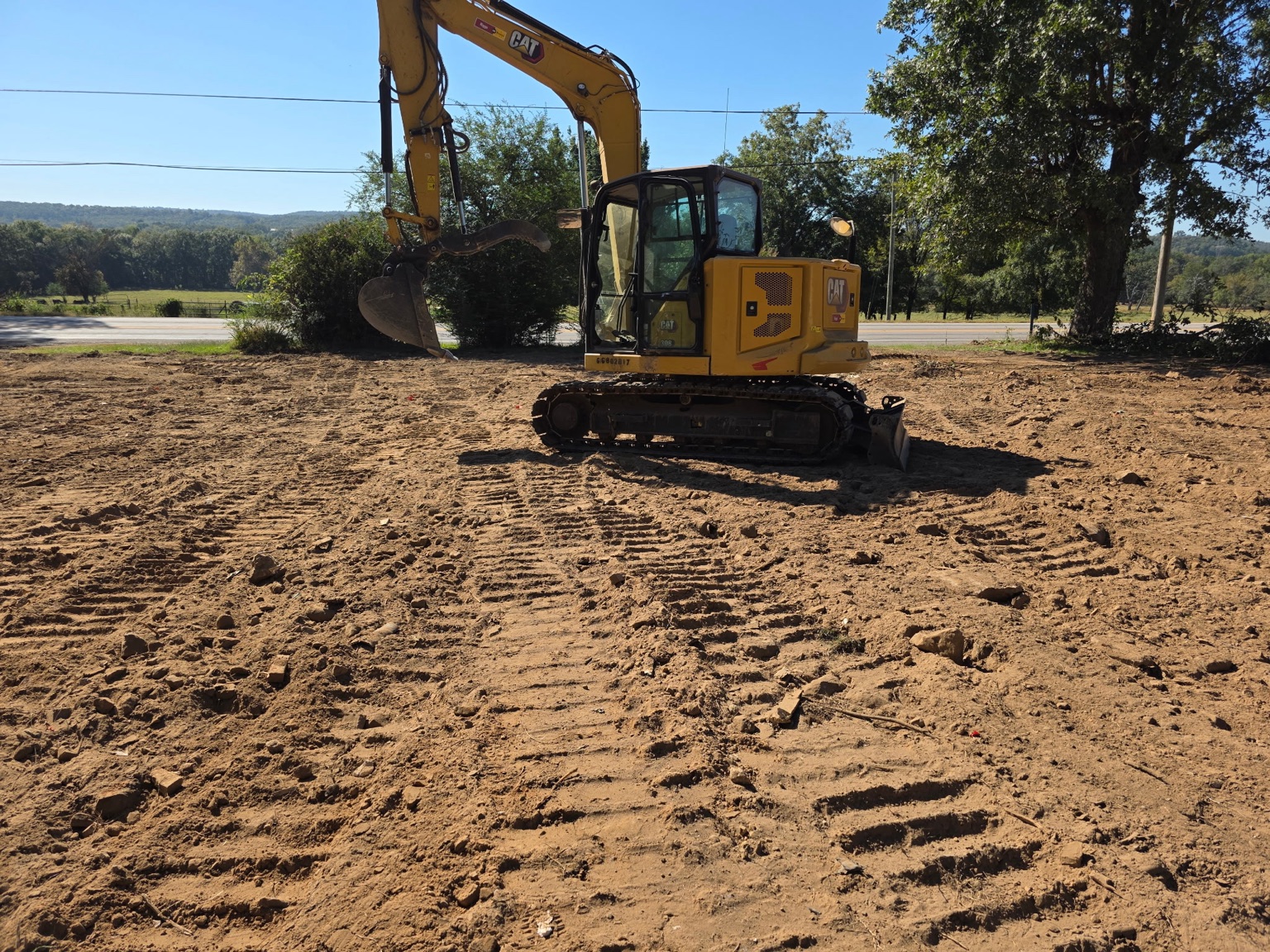
Clearing limits, earthwork logistics, utilities, drainage, material movement, grading, stabilization, restoration, and turnover considerations.
View capability →
Selective demolition, concrete openings, occupied phasing, trade coordination, alternates, punch, closeout, and turnover.
View capability →Start with your site
Identify the design stage, alternatives under consideration and the scope or site constraint you need field input on.
Existing conditions, utility interfaces, removals, access and responsibility boundaries can remain unresolved while drawings develop. Distinguish confirmed requirements from assumptions.
Useful before bid day
Plans describe the intended work. Existing conditions, access, removals, utility conflicts and the condition needed for the next phase determine how that work can be carried out. Meyers can review those contractor-side questions while the design team can still adjust limits, alternates and sequence. The result is a clearer scope discussion, not a stamped design or a promise that an unknown condition has been resolved.
At Sunset and Powell in Springdale, the documented subcontract scope joined structure removal, below grade slab and foundation removal, rough grading and specified stabilization. It is a practical example of why a demolition limit should be discussed alongside the required site condition. Review the documented Sunset and Powell scope.
Identify what the drawings show, what the field shows and what still requires survey, testing, inspection or owner direction. Separate observation from assumption.
Mark removals, retained work, access, protection, utility interfaces, material handling and the required finished condition. Name which party owns each open item.
Compare practical work sequences and alternates with the information available. Early quantities and budget ranges are provisional until the scope and source basis are confirmed.
Carry the agreed assumptions, exclusions, responsibility split and field questions into the bid package so bidders and the next contractor are working from the same condition.
Meyers supplies contractor-side field, scope and constructability input. The Engineer of Record and other responsible professionals retain design, survey, geotechnical, testing, code and approval authority.
When this review helps
Common questions
When existing conditions or field sequence could change the scope, ideally before the bid package is locked. Concept drawings, a site address and a specific unresolved question can be enough to start. We will identify what still needs confirmation.
A useful review can identify observed field conditions, open questions, scope limits, responsibility splits, sequence options and the source basis for preliminary quantities or budget discussion. Any formal deliverable and its level of detail should be agreed for that project.
No. Meyers provides contractor-side field and constructability input. Design criteria, stamped drawings, survey, geotechnical recommendations, testing and acceptance remain with the responsible professionals and authorities.
Send the site address, current plans or survey, existing-condition photographs, known utility or environmental reports, target decision date and the question the team needs answered. Mark missing information rather than waiting for a perfect package.
During preconstruction and design review, define material streams, separation space, loading access and reporting requirements. Contractor-side handling input supports the scope; responsible professionals retain design and regulatory authority.
Construction & demolition material management · Use the planning checklist
From scope to a project review
Share the package at its current stage. Meyers can review the field questions and information needed for constructability or scope coordination.
Send the site location, available drawings, decision deadline and the question you need answered. You do not need every answer before contacting us.
Request a Project ReviewPrefer to discuss the unknowns first? Call (479) 249-7383.