
Commercial redevelopment planning
When Should a Commercial Developer Bring in a Demolition Contractor?
Bring demolition and sitework input into property due diligence—before acquisition is finalized—when structures, foundations, utilities, environmental conditions, access, earthwork, or the required site handoff could materially affect the redevelopment budget.
For commercial developers, owners, design teams, lenders, and construction managers evaluating redevelopment property.
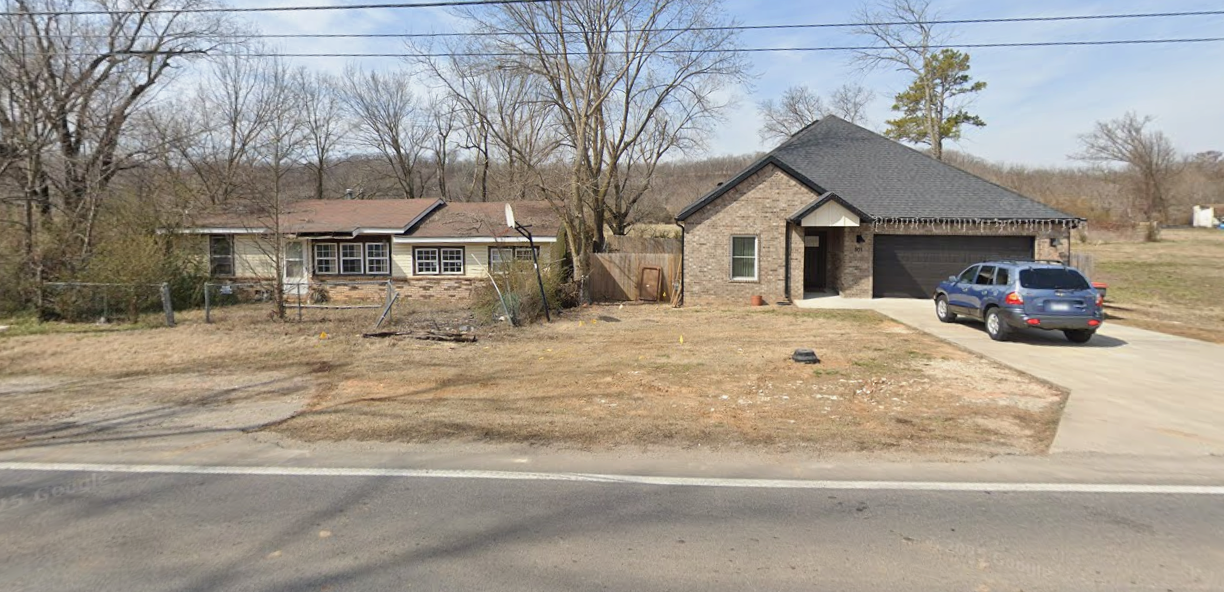 Existing conditions
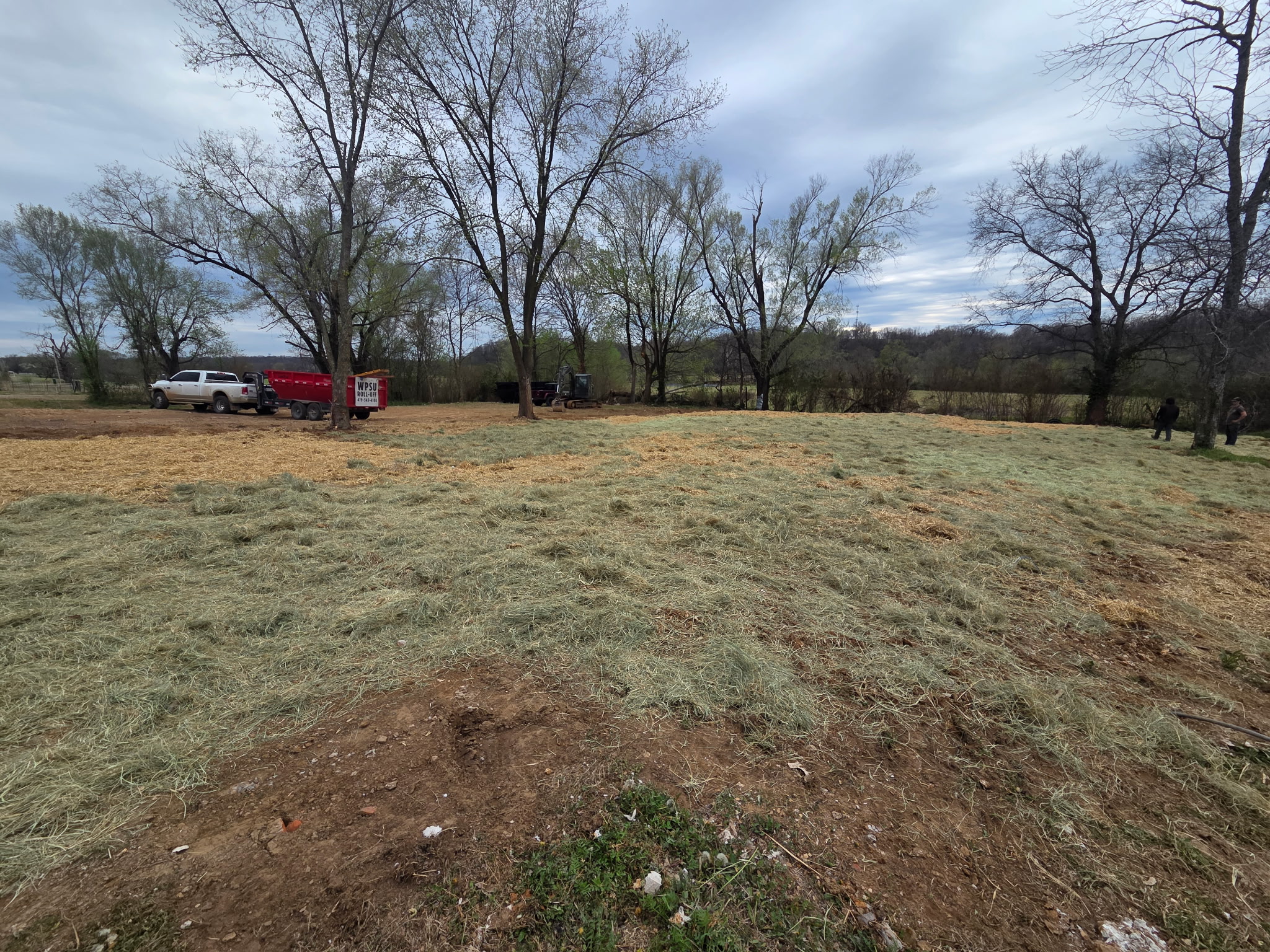 Completed site condition
Build a better construction basis before the decision narrows
This is the role of a Meyers Pre-Acquisition Demolition & Site Risk Review: a practical preconstruction review that helps the development team identify conditions, quantify what can reasonably be defined, carry budget allowances for probable exposure, and flag conditions requiring more investigation.
The objective is not to promise a final cost, determine development feasibility, or replace engineering, environmental, legal, or transaction due diligence. It is to build a clearer construction basis for the acquisition-period budget and decision.
Why demolition belongs in property due diligence
A redevelopment acquisition is usually evaluated through a pro forma: purchase price, carrying costs, redevelopment concept, construction budget, financing, schedule, and expected return. Existing conditions can materially change that picture.
The question is not only, “What does it cost to take down this building?” It is: What must be removed, managed, coordinated, and delivered for this property to become usable for the next phase?
That may include structures, slabs, foundations, paving, debris, hauling, utilities, environmental information, access, clearing, backfill, rough grading, stabilization, and the condition the next contractor receives. Review demolition and site handoff early enough to make those conditions part of the decision.
What can change the budget?
- Structures: count, size, height, construction, condition, attachments, and nearby structures that remain.
- Concrete and buried work: slabs, footings, foundations, retaining elements, paving, thickness, reinforcement, and required treatment.
- Utilities: available information on electric, gas, water, sewer, communications, private lines, separations, disconnects, and abandonment.
- Environmental conditions: reports, asbestos information, known tanks, past uses, and conditions affecting sequencing.
- Access and logistics: equipment access, truck routes, staging, public frontage, occupied neighbors, overhead hazards, hours, and loading space.
- Material handling: debris types, concrete, metals, recycling, hauling, disposal, and documentation.
- Final site condition: above-grade removal; slabs and foundations; backfill; rough grading; stabilization; or another defined turnover.
A building being absent is not necessarily the same as a defined site handoff for the civil contractor or next construction operation.
Known, probable, and unknown conditions
Meyers uses a three-bucket framework so a preliminary budget does not turn incomplete information into false precision.
Quantify & budget
Observable or measurable scope carried with a stated budget basis.
Carry an allowance
Conditions with evidence behind them whose exact scope is not established.
Investigate first
Concealed or undocumented conditions that cannot responsibly receive a precise cost.
What should a developer send?
- Property address, due-diligence deadline, and anticipated closing date.
- Survey, ALTA survey, site plan, aerial, or existing-condition drawings.
- Building plans, demolition plans, civil drawings, or redevelopment concept.
- Current photographs and drone imagery.
- Known structure dimensions and concrete or paving limits.
- Environmental reports, asbestos information, and prior-use information.
- Available utility information and disconnect or abandonment status.
- Access, neighbor, traffic, staging, or schedule constraints.
- Desired final site condition and target construction schedule.
Better information improves the budget basis. Where environmental information affects removal, review environmental planning before demolition.
Desktop review or site walk?
Many reviews can begin with the address, survey, drawings, photos, reports, mapping, and redevelopment concept. A site walk is useful when access is unclear, conditions are poorly documented, concrete or foundations need review, adjacent improvements create protection concerns, or the handoff condition is undefined.
A site walk supports the construction review. It does not replace survey, utility locating, environmental investigation, engineering, permitting, or specialist diligence. Meyers also provides design and preconstruction coordination.
What the review can provide
Existing-condition scope map
Structures, slabs, paving, foundations, clearing, access, utilities, and other relevant conditions reviewed.
Known-scope budget basis
What can reasonably be quantified and how it is treated.
Probable-condition allowance register
Likely unresolved conditions and the information needed to reduce uncertainty.
Unknown / investigate register
Conditions requiring more information before cost is assigned.
Handoff-condition definition
What “demolition complete” means for the property.
Recommended next steps
Documents, field review, environmental work, utility confirmation, or design information that could improve the decision.
The result is a transparent basis for an internal development budget and risk discussion—not an assurance that no additional condition will be found.
Why demolition and sitework should be evaluated together
Removal frequently changes the early civil and sitework conversation. Foundation voids may require backfill. Existing grades can affect access and handoff. Concrete, clearing, fill, stabilization, drainage considerations, and staging can determine whether a site is merely cleared or positioned for the next operation.
Meyers does not replace civil engineering or determine final engineered quantities without design information. Early field input identifies the interface between demolition decisions and what the civil team inherits.
Real project context: define “demolition complete”
At the Sunset & Powell Demolition and Site Preparation project in Springdale, Meyers worked as a subcontractor. The verified self-performed scope included structure demolition, debris removal and disposal, below-grade slab and foundation removal, rough grading, and specified site stabilization.
Above-grade structure removal only.
Structure and debris removal, slabs and foundations, backfill, rough grading, stabilization, and defined turnover.
The developer needs to understand which definition is included. This project demonstrates the broader removal-to-handoff sequence; it does not attribute adjacent roadway, drainage, culvert, utility, or other unverified work to Meyers.
When is the review most valuable?
- Existing commercial or industrial structures.
- Multiple buildings or substantial site improvements.
- Older buildings or known environmental history.
- Significant slabs, foundations, retaining elements, or paving.
- Unclear utility conditions.
- Major grade changes or anticipated earthwork.
- Tight access or adjacent occupied properties.
- Significant clearing or restoration scope.
- A required civil/site handoff.
- An allowance that materially affects the acquisition pro forma.
Not every property requires the same level of review. Focus diligence where existing conditions could materially affect the development decision.
Frequently asked questions
Should I get a demolition estimate before buying commercial property?
For a redevelopment site with existing improvements, an early contractor review during diligence can identify observable removal and sitework scope, reasonable allowances, and unresolved conditions. It should not promise a final cost before the available information supports one.
What should be included in a Pre-Acquisition Demolition & Site Risk Review?
The review can address structures, concrete and foundations, paving, utilities, access, material handling, available environmental information, and the required final site condition. It should distinguish what can be quantified, what merits an allowance, and what requires further investigation.
Can a demolition contractor identify environmental risks?
Meyers can review available environmental information, identify where it affects demolition and sitework planning, and coordinate appropriate inspection, testing, remediation, notification, and sequencing. Exact regulatory and specialist requirements depend on the property and scope.
How accurate can a demolition budget be during due diligence?
Accuracy depends on available information and access. A responsible early budget separates quantified known scope, allowances for probable exposure, and conditions that cannot be priced without further investigation.
What documents should I send a demolition contractor?
Send what is available: address, survey or site plan, photos, existing drawings, environmental and utility information, redevelopment concept, diligence deadline, and desired final condition.
Should foundations and slabs be included in the demolition budget?
They should be addressed explicitly. Whether they are removed, broken in place, backfilled, or left for a later phase changes the scope and the condition delivered to the next contractor.
Why does sitework matter before purchasing a redevelopment property?
Demolition can expose foundation voids, existing grades, access needs, material-handling requirements, clearing, stabilization, and other handoff conditions that affect the early-site budget.
When should utilities be investigated?
Review available utility information during due diligence and identify what requires confirmation before work is priced or sequenced. Ownership, disconnects, abandonment, protection, and responsibilities are site-specific.
Evaluating a property for redevelopment?
Request an early project review.
Send the address, available survey or site plan, photos, environmental and utility information, redevelopment concept, and due-diligence timeline.